

TOOLBOX TALK PRESENTERS
At Thriving Women, we pack in the value with inspiring keynote speakers, complemented by our Toolbox Talks; practical, hands-on sessions designed to give you real takeaways.
Each session features three presentations running concurrently. Delegates select the one that best suits their interests, so they can tailor their experience to what matters most to them.
SESSION 1 | Day 1
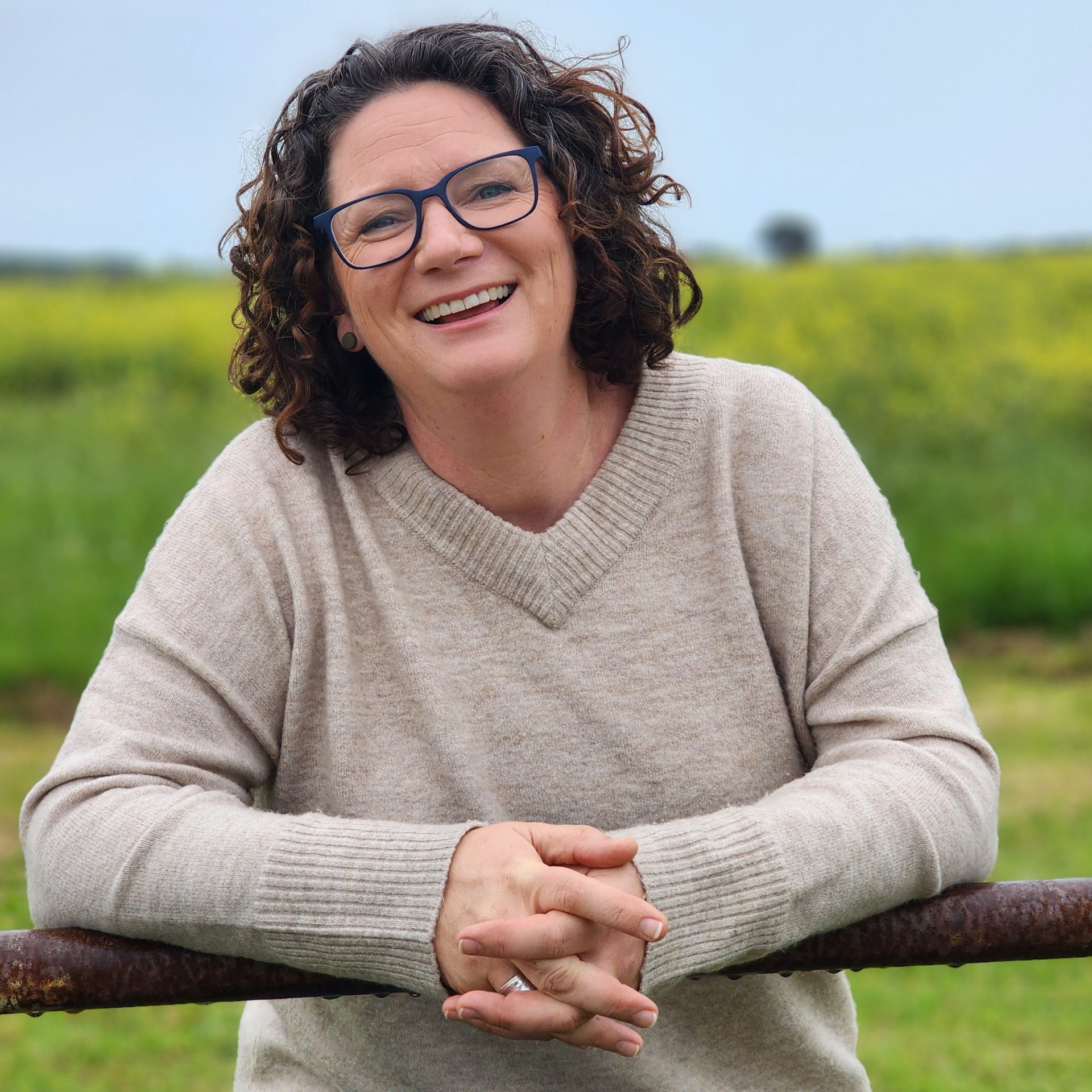
Toni Duka
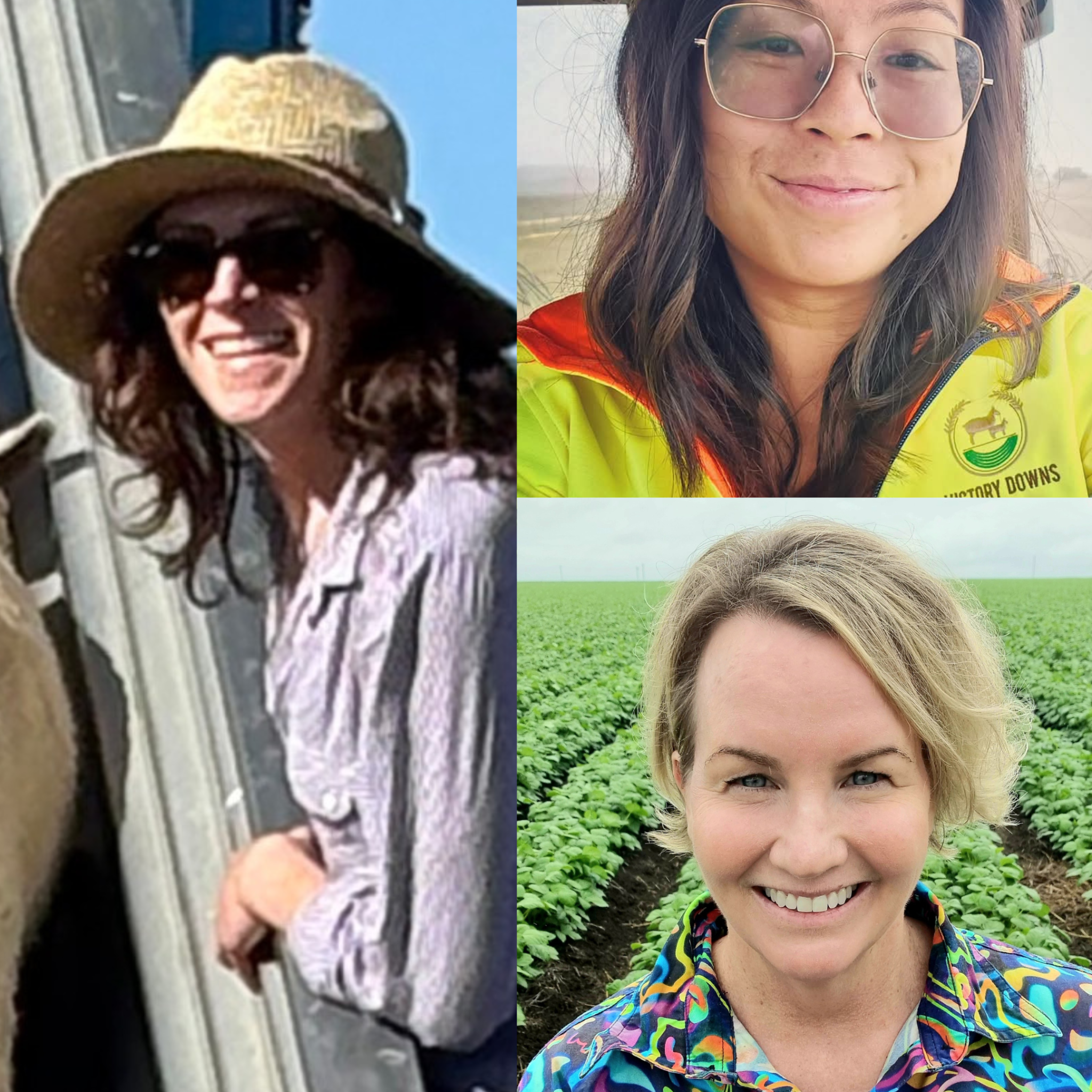
Grain Growers discussion panel.
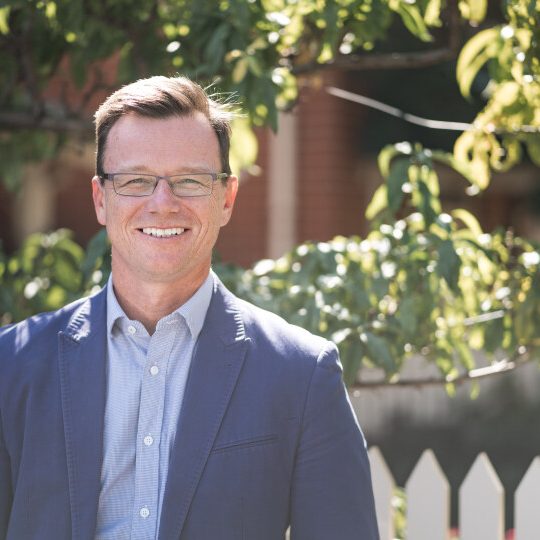
Tony Catt
About Toni
Toni Duka is a facilitator, coach and rural advocate who is passionate about helping people thrive in the places they live and work. Growing up in regional South Australia, Toni brings experience across agriculture, natural resource management, community development and leadership in a variety of roles.
Through her workshops she creates practical, supportive spaces where women can pause, reflect and reconnect with what helps them flourish whether that be in their work, leadership or lives. Known for her warmth, honesty and energy, Toni combines thoughtful conversation with practical tools that help rural women build confidence and clarity for what comes next.
Tag her on socials: #ToniDukaConsulting
Presentation Summary
What comes to mind when you think of the word flourishing? When we see a healthy and strong plant we’d probably say it’s flourishing or a business that’s growing, hitting good sales and meeting targets - we’d probably say that’s flourishing too. But what does it mean if a person is flourishing? That question is at the heart of positive psychology and researchers have spent years exploring what helps people not just cope or get by, but genuinely thrive, in relationships, at work and in life. The good news is that flourishing isn’t actually that complicated. It’s also not about having a perfect life or being happy all the time. Even more importantly, flourishing isn’t something we do alone, it grows through our community, through conversations, and the small ways we support the people around us. We can actually flourish on purpose and in this workshop, we’ll explore practical ways we can do this (backed by science). We’ll also cover why it matters, particularly in busy and demanding lives, where we tend to hold many balls in the air. Working through four practical activities you can take away and use straight away, these tools for your toolbox will help you notice what’s working, and to increase your own flourishing. They are also tools you can share with others in your family and community. Tools that are un-complicated and don’t require a massive life overhaul, just small actions that can make a meaningful difference for you, and the people around you.
Key learnings
- An understanding of what human-flourishing actually means, what contributes to it, and how it is backed by science.
- Four practical, ready to implement tools that can impact YOUR ability to flourish straight away (and are shareable).
- Practical application of the tools in your own life situation.
About The Panel
This session is a panel discussion with Renee Anderson, Dili Schoenberg, and Tara Rich.
Based in Emerald, Queensland, Renee Anderson brings a grounded paddock perspective shaped by running a farm business and leadership roles beyond her local community, spanning regional and international engagement, offering a leadership lens.
Dili Schoenberg is a Mid North South Australian grain producer whose work spans farm business, research and leadership roles across agriculture, with a background in agricultural science and a growing focus on governance.
Tara Rich is a Western District Victorian grain and lamb producer, combining on farm business, agricultural communications and advocacy, with a strong commitment to regional leadership and supporting women in agriculture.
The Panel will be hosted by April Brown, GrainGrowers Grower Engagement Manager.
Contact Details:
Natasha Girdler, Grower Engagement Officer
natasha.girdler@graingrowers.com.au
enquiry@graingrowers.com.au
Connect with Grain Growers:
Web: www.graingrowers.com.au
Facebook: www.facebook.com/GrainGrowers/
Instagram: www.instagram.com/graingrowers/
LinkedIn: https://www.linkedin.com/company/graingrowers/
Presentation Summary
Wife, mother, sister, daughter, farmer, grower, service provider, student, community volunteer…For women in agriculture, the hats we wear are diverse and how to make space for our own professional development can often be the million-dollar question.
Join GrainGrowers and three of our inspiring female grower members for an interactive panel discussion. Our panellists will share how blending their family and work commitments with industry development experiences is possible and has shaped their professional identity as growers and community leaders.
This session will provide insights for how you can build your own professional profile to support your personal growth, business growth and broader industry and community development.
If you are looking to increase your awareness of the opportunities available for self-development, develop your ability to access these opportunities or build your confidence to pursue new learning and development experiences, this workshop is for you.
Key Learnings:
- Develop your awareness of the development opportunities that exist beyond the farm gate and reflect on how they may support your professional growth.
- Build confidence to access new industry development opportunities, extending on your existing experiences as a women in agriculture.
- Expand your professional network to support your development journey.
About Tony
Tony is a seasoned financial adviser and Director of Catapult Wealth, a South Australian wealth management and advisory firm focused on helping families build secure financial futures across generations. With over 28 years of experience across accounting, stockbroking and financial planning, he brings a practical and strategic perspective to complex financial and succession challenges.
After marrying into a farming family from Renmark, Tony developed a strong passion for supporting family businesses with succession and retirement planning. Under his leadership, Catapult Wealth serves clients across South Australia, NSW and Victoria, with a strong focus on regional family business and intergenerational planning.
Connect with Tony:
Website: www.catapultwealth.com.au
Social Media: @catapultwealth
Presentation Summary
This presentation examines the role of family advisory boards as a strategic governance mechanism for family businesses. It explores how advisory boards support effective communication, improve strategic decision-making, and provide a structured forum for addressing complex business and family dynamics.
The presentation outlines key principles for establishing and maintaining advisory boards, including board composition, meeting rhythms, accountability, and decision-making frameworks. Particular emphasis is placed on the value of psychological safety, diverse perspectives, and the role of advisory boards in succession planning and intergenerational transition.
Attendees will gain practical insights into how family advisory boards can reduce conflict, enhance long term planning, and support the sustainability and continuity of family enterprises.
Key Learnings:
- Advisory boards provide a strategic framework that strengthens decision-making, accountability, and long-term planning in family farming businesses.
- Effective boards improve communication, psychological safety, and intergenerational alignment, supporting smoother succession and reduced conflict.
- Practical insights into how to establish and run a fit-for-purpose advisory board, regardless of farm size or stage of business.
SESSION 2 | Day 1
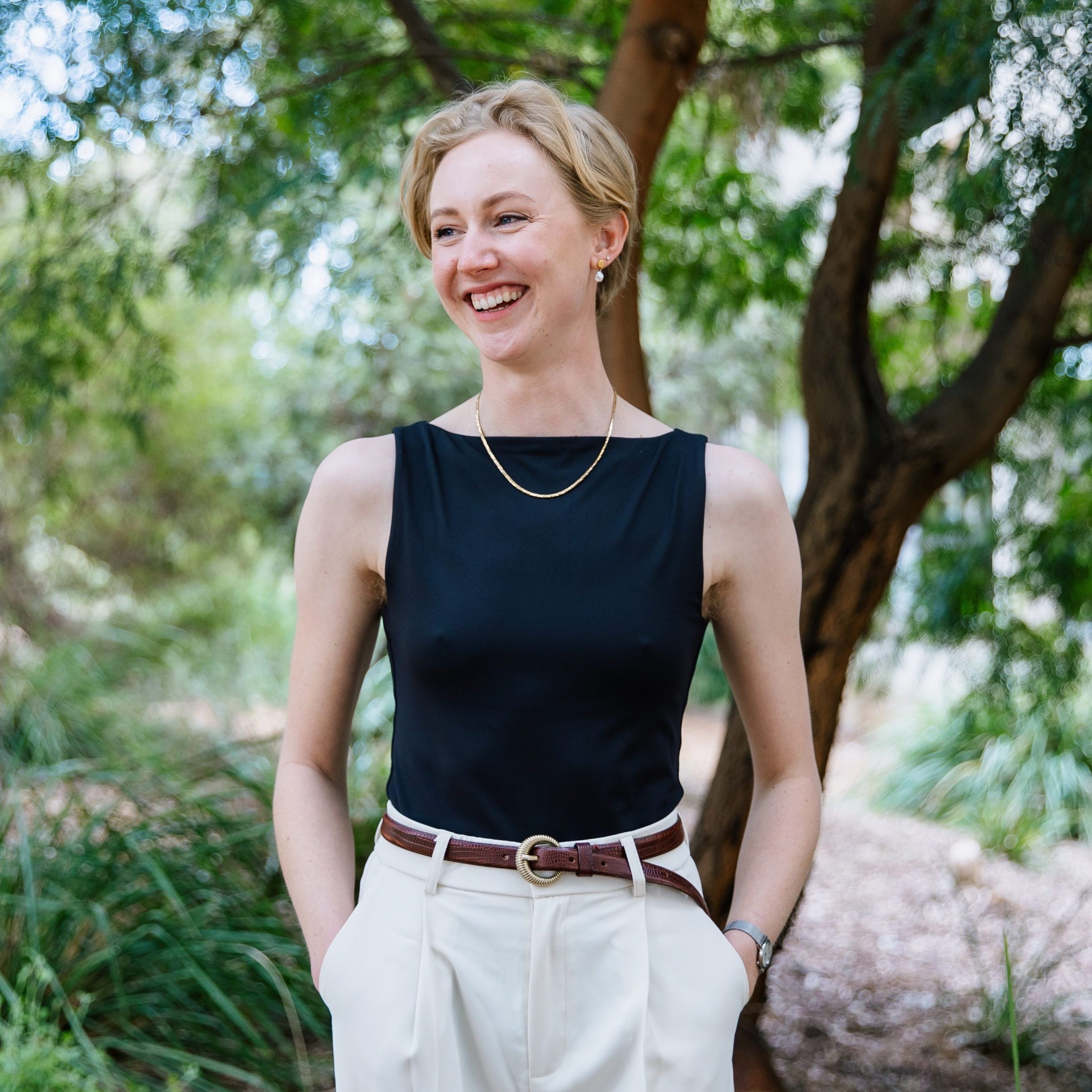
Han Worsley
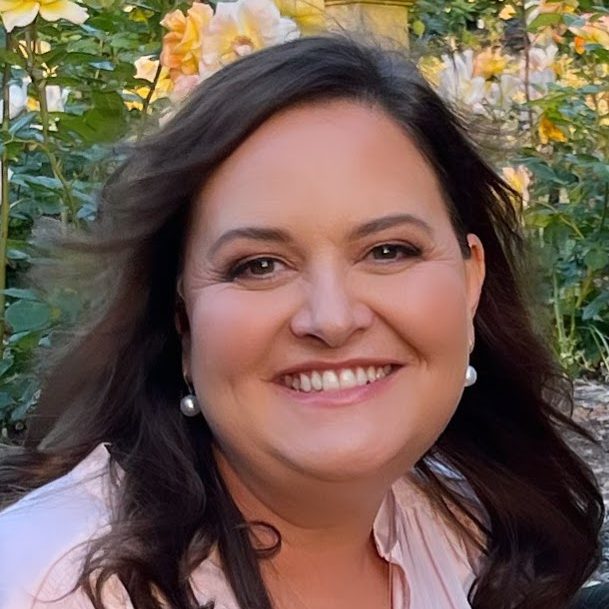
Cassandra Beeck
Carlyn Sherriff
About Han
Han Worsley is a rural advocate and educator originally from a mixed grazing property near Nullamanna, NSW. Han works nationally on initiatives that expand access to tertiary education for regional Australians and is currently undertaking a PhD examining aspiration among rural primary school students.
Han is the former CEO of Country to Canberra, delivering leadership programs to more than 3,500 students across 80 rural communities, and regularly provides engaging talks and workshops for organisations including TEDx, Women in Leadership Australia, and the National Farmers Federation.
Appointed to the WoTL board in 2023, Han now serves as Chair of the organisation.
Connect with Han:
@mx_worsley
Presentation Summary
Han has always been a talker. This has taken them from nerdy public speaking and debating in high school, to professional facilitation, corporate speaking, and a TEDx talk. They were somehow born without the fear of yapping in front of people. Most people don’t share this quirk, but the fact is, we could all benefit from improved confidence speaking up when eyes are on us. This is especially powerful for women - on average, women are more afraid of public speaking than men. Yet for us to be trusted in the boardroom, on the farm, or in business, we need to be able to speak with more confidence, conviction, and clarity to be heard and respected. Better yet, being able to do these things brings us a personal sense of power and achievement, which flows into everything we do.
This session involves hands on workshopping of personal challenges and strengths, active practice to speak with calm and clarity, and creating a plan for future speaking. Expect to be pushed out of your comfort zone, but to laugh and feel supported the whole way through. Whether you’re hoping to build confidence introducing yourself, improve your impact in meetings, develop your ability to pitch your business, or even plan a future Toolbox Talk or conference presentation yourself, this workshop is for you.
Key Learnings:
- The key ingredients to confident, calm speaking in front of any sized audience.
- A basic process to distill the clear message you want to convey via speaking.
- Tools to manage general nerves, imposter syndrome, and audiences who strike fear into you!
About Cassandra
Presentation Summary
What does it take for one person to help transform an entire community? In this inspiring and practical presentation, Cassandra Beeck shares the deeply personal journey that took her from a young farmer’s bride in rural Western Australia to a regional leader helping shape some of the most innovative community-led development projects in the Great Southern. Drawing on more than 26 years of living and working in regional communities, Cassandra offers an honest and energising look at what leadership really requires in rural Australia - resilience, creativity, collaboration, and the courage to step forward when communities need it most.
As a performing arts teacher for 27 years, Cassandra developed a leadership style grounded in people, storytelling, and creative problem solving. These skills became the foundation for her work as a founding board member and strategic architect of GNP360 Cooperative, a community-led partnership that has delivered nationally recognised projects across health, tourism, business development, and regional infrastructure.
Through these initiatives, the once-struggling town of Gnowangerup has emerged as a powerful example of what rural communities can achieve when local people lead with vision and determination. Through stories from the front line of regional development -including reviving a community supermarket, repurposing heritage buildings into health hubs, and designing precincts that will serve future generations - Cassandra shares the practical lessons she has learned about building momentum, unlocking partnerships, and turning bold ideas into reality. This session will leave delegates with powerful insights into how women connected through agriculture can lead transformative change in their communities.
Cassandra’s message is clear: thriving regions do not happen by accident -they are built by people willing to imagine something better and work together to make it real. Participants will leave inspired, empowered, and equipped with practical tools to help shape the future of their own communities.
Key Learnings:
- The 'Cavalry' is not coming to save us - we have to save ourselves (rural community agency) and so identifying partnerships are key to successful growth and social cohesion-but it takes a good leader to find and facilitate them
- You are making tomorrow’s history, today: expect criticism, expect to feel out of your depth—often (The Arena factor)
- Projects matter - but protecting and strengthening the community always matters more (Leadership integrity)
About Carlyn
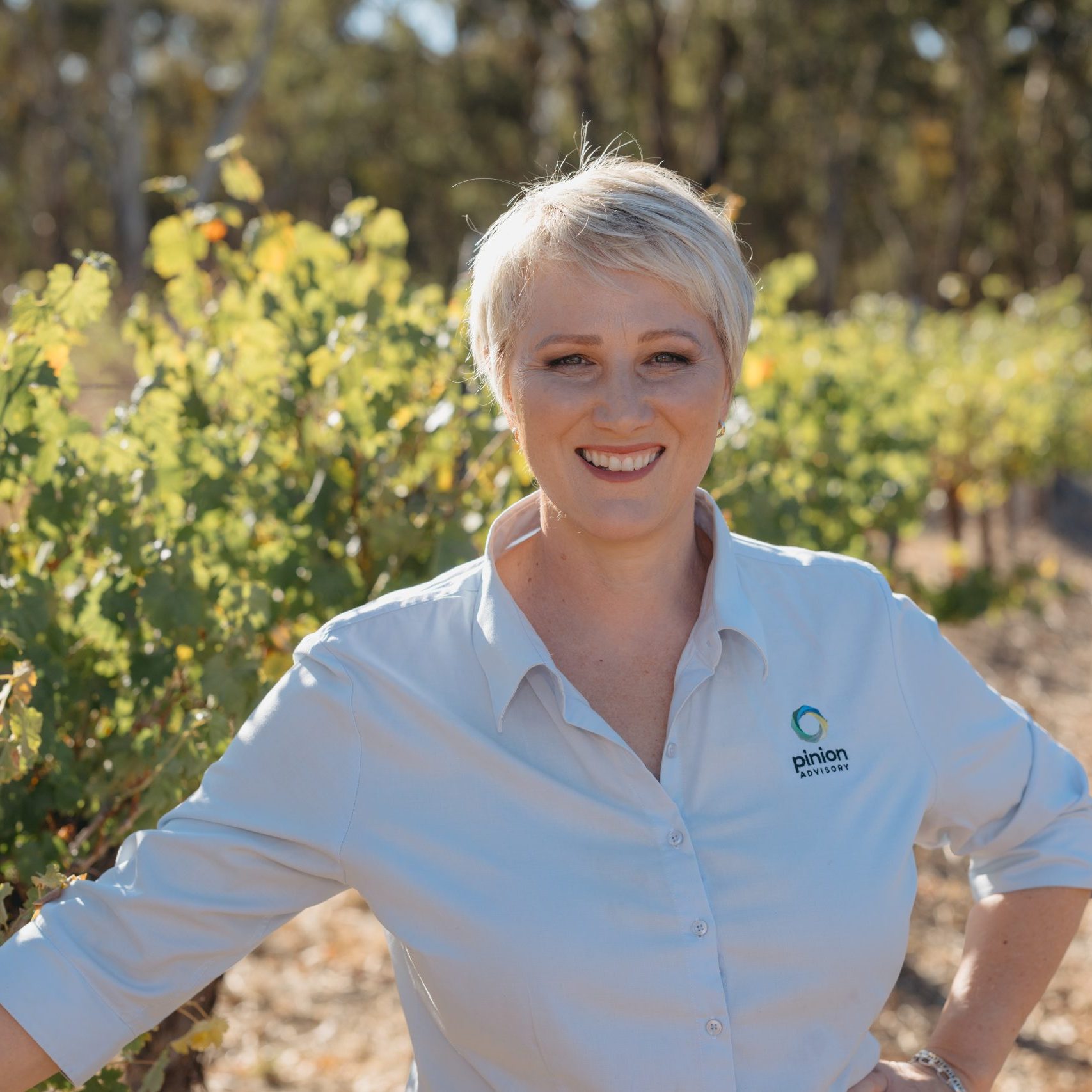
Carlyn Sherriff has worked in agribusiness consulting for 21 years, supporting farming families and businesses in succession planning, strategic planning, people management and leadership. A key highlight of her career is her long‑term involvement in Australian Wool Innovation’s Breeding Leadership program, where she has been a facilitator since it began in 2006. Carlyn also works with farm employers and employees to develop clear, fair working arrangements that support functional, respectful workplaces, guided by Brené Brown’s “clear is kind.” She contributes to Pinion Advisory’s Next Gen program and loves helping families strengthen communication and clarify their vision.
Connect with Carlyn:
www.pinionadvisory.com
Presentation Summary
Employing staff in agriculture is becoming increasingly complex, yet many farm businesses continue to rely on informal or outdated approaches to wages, entitlements and employment agreements. This interactive workshop is designed to build confidence and capability by breaking down the essential components of compliant, effective and fair employment arrangements. Participants will develop practical knowledge of the modern Pastoral Award, including how to interpret minimum standards, structure wage agreements, and understand key obligations under the Fair Work National Employment Standards. A core focus will be on navigating the Better Off Overall Test (BOOT), annualised wage agreements and individual flexibility arrangements - ensuring employees are not disadvantaged while maintaining business viability. Clear, transparent communication will be emphasised as a foundation for strong workplace culture.
Attendees will learn how to confidently explain remuneration packages, including what is (and isn’t) included - such as overtime, allowances and leave loading - and how to manage expectations from the outset. The workshop will show how fair and well structured wage arrangements contribute directly to improved employee morale, higher job satisfaction and reduced turnover, ultimately strengthening team cohesion and overall business performance. Real world examples will highlight common pitfalls and how to avoid them. Compliance will also be addressed in a practical way, including record keeping requirements, maximum weekly hours, and the need for annual reconciliation and review of agreements.
Participants will leave with a clearer understanding of how to ensure their employment practices are both legally sound and operationally efficient. With industry data showing that 37% of farm roles are salaried and a further 37% are paid a fixed hourly rate for all hours worked (Pinion Advisory), the need for clear, compliant agreements is critical. This workshop equips attendees with the tools, language and confidence to manage employment arrangements professionally - supporting stronger businesses and better outcomes for both employers and employees.
Key Learnings:
- Understand the essential elements of a compliant wage agreement, including what must be included under the Pastoral Award and National Employment Standards and how to review for fairness and compliance.
- Learn how to clearly explain wage arrangements to employees using a simple communication framework that reduces confusion and supports a positive, functional workplace culture.
- Identify the minimum compliance requirements every farm employer must meet through a practical shortlist of core obligations that helps avoid common pitfalls.
SESSION 3 | Day 2
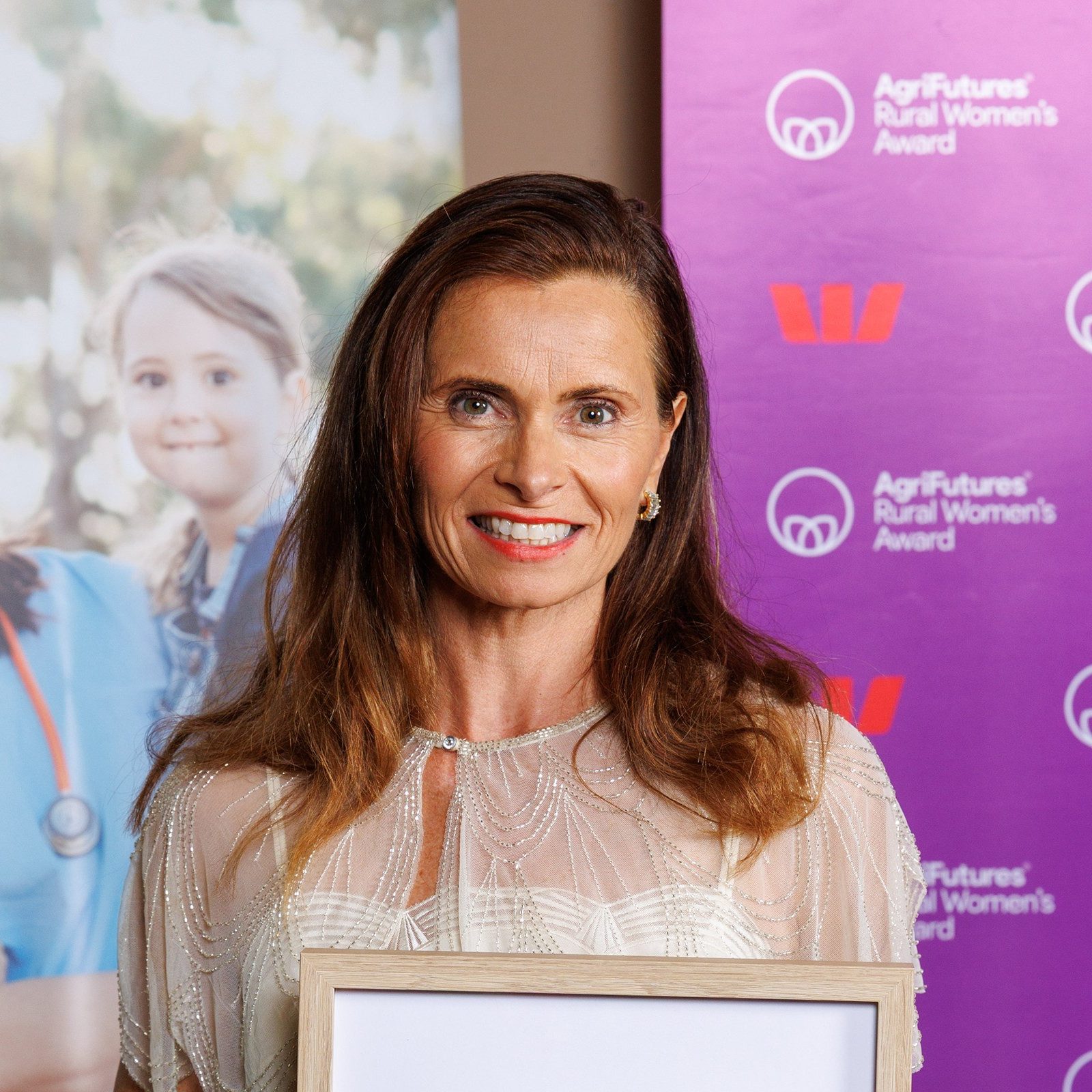
Rebecca Couch
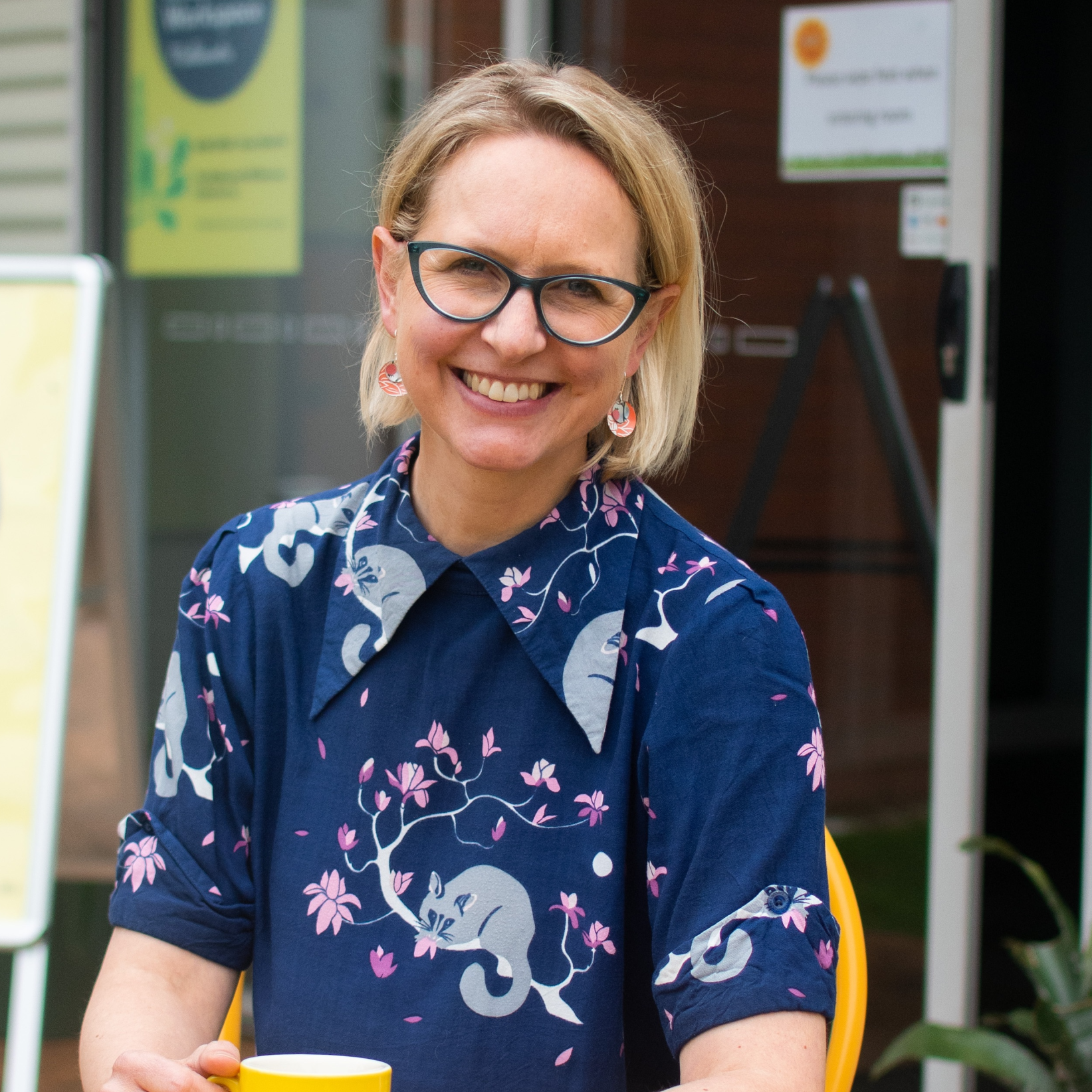
Paris Brooke
Bron Stedall
About Rebecca
Rebecca is a dairy farmer, registered nurse and founder of The Wellness Couch Co. in South West Victoria. She balances life between the dairy, family and nursing, with a strong focus on empowering rural women’s health. Her interest in perimenopause began through her own experience, where despite being a nurse, she didn’t recognise the signs, highlighting a gap in awareness. An AgriFutures Rural Women’s Acceleration Grant recipient, she presented her commitment to advocating for, educating and inspiring rural women in March 2025. Her work combines evidence-based knowledge with light humour and practical conversations - making midlife health make more sense.
Presentation Summary
- Understand what perimenopause is, why it occurs, and how it impacts the body
- Recognise early and often overlooked symptoms of hormonal change
- Gain practical tools to track symptoms, support your health, and confidently advocate for care
About Paris
Paris Brooke is Executive Officer of Wilderness Collective, a community-led organisation in far east Gippsland. With over 25 years in strategic communications, investor relations and advocacy - Paris has worked in agricultural, medical, social and media industries; bridging conversations between government, business, community and media. She co-founded the Wilderness Collective as a cornerstone for entrepreneurship and innovation in the region. Her leadership has driven the acquisition of a main street property for the benefit of the community - developing a ‘Innovation, Education and Employment Hub’, to foster self-determination post disaster. Her latest initiative is empowering women to build sustainable microenterprises.
Connect with Paris:
www.wildernesscollective.org.au
Instagram: @wilderness_collective_
www.facebook.com/wildernesscollectivemallacoota
LinkedIn: https://www.linkedin.com/in/paris-brooke-2849628/
Presentation Summary
On New Year’s Eve 2019, the Black Summer bushfires tore through Mallacoota and with them, the assumptions our town relied on. In the aftermath, we faced a hard truth many rural communities know well: when one industry falters, the whole social and economic fabric feels it. Wilderness Collective was born in that moment - founded by five local women who refused to let disaster be the end of the story.
This session is a practical, honest pitch for what happens when women back themselves, back each other and build the structures that make rejuvenation real. We’ll share how we turned community collaboration into action: purchasing a main-street building, creating a shared workspace and enterprise hub and building a culture of learning, connection and microbusiness support - so geography stops being a limit and starts becoming an advantage.
But this isn’t a glossy success story. It’s a roadmap. We’ll talk about the setbacks, the relationships, the leadership lessons and, the self-development required to keep showing up when momentum dips and resources are tight. From this work, Remote Microenterprises Australia has emerged - a growing pathway for women to build their own futures through microenterprise, with practical support, community accountability, and a belief that small businesses can be powerful anchors in rural life.
Delegates will leave with a Microbusiness Readiness Diagnostic to assess their next step, plus transferable elements you can take back to your own towns, farms, and organisations. Because thriving communities don’t happen by accident. They happen when women decide they’re ready to build one - together.
Key Learnings:
- How to Shift the Culture - Practical Community Levers
- The Power of Cross-Sector Connection
- Microbusiness Readiness - Know Where You Stand
About Bron
Bron Stedall is a People Development Consultant with Pinion Advisory, specialising in counselling, conflict mediation and professional development across the rural sector. She supports individuals, couples and farming families to strengthen wellbeing, navigate stress and build healthier relationships. Bron is known for demystifying human behaviour and providing clear, practical tools that create meaningful change. Since 2018, she has delivered coaching, mediation and workshops to diverse regional communities, helping clients shift perspectives and improve performance. Her work is grounded in compassion, accountability and evidence based practice
Connect with Bron:
www.pinionadvisory.com
Presentation Summary
We like to think of our values as our guiding light; the principles that keep us grounded, authentic and aligned. But the stories we tell ourselves about those values can just as easily become the very things that limit us, exhaust us, or push us into patterns that don’t serve our wellbeing. This workshop explores the powerful idea that every value has two expressions; a resourceful one that supports growth, connection and clarity, and an unresourceful one that quietly sabotages us while convincing us we’re ‘doing the right thing’.
Together, we’ll unpack how common values, such as trust, respect, independence, fairness, honesty and strength, can shift into unhelpful territory when driven by fear, past experiences, or internal narratives we’ve never questioned. For example, trust at its best helps us build relationships with healthy boundaries, yet, at its worst, it can lead us to withdraw or cut people off too quickly. Independence can make us capable and self directed, or it can isolate us and stop us from receiving support. Honesty can foster openness or become a shield we use to avoid accountability for being mean.
Through guided reflection, storytelling and practical exercises, participants will explore their own values and identify where they may be unintentionally weaponising them against themselves. We’ll examine how these patterns show up in relationships, leadership, decision making and emotional wellbeing, particularly in high pressure environments where women often feel the need to ‘hold it all together’.
This session offers a compassionate, insightful and empowering space to rewrite the stories we tell ourselves, transforming our values from sources of pressure into sources of strength. Participants will leave with practical tools to recognise unresourceful patterns, recalibrate their values and choose more supportive, sustainable ways of showing up in their lives and communities.
Key Learnings:
- How to recognise when a personal value has shifted from resourceful to unresourceful expression.
- How internal narratives shape behaviour and how to rewrite those stories with clarity and compassion.
- Practical tools to realign values with wellbeing, connection, and sustainable leadership.
SESSION 4 | Day 2
Melissa Duniam
Ann-Maree Davis
Guy Webb and Natalie Collard
About Melissa
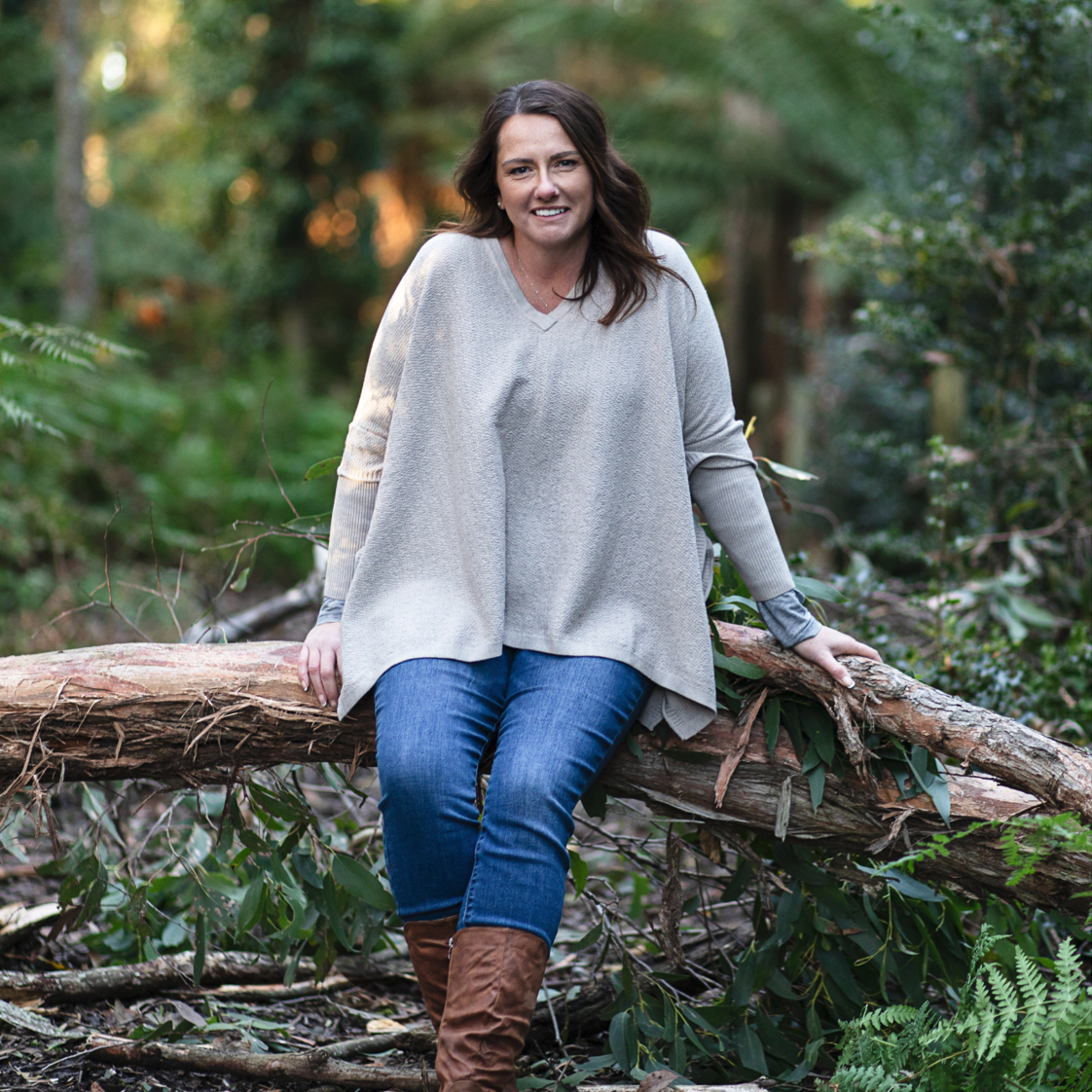
Melissa is a rural leader, speaker, and advocate for women redefining self-leadership in agriculture and life. Passionate about human behaviour, she helps women reconnect with their core values, break cycles of burnout, and create lasting change. Through award-winning workshops and deep dive events that include experiential learning alongside horses, Melissa challenges myths around resilience, guiding women towards authentic leadership. Her practical frameworks enhance communication, strengthen relationships, and empower women with clarity and confidence to lead differently at home, in business, and within their communities. Melissa inspires women to create sustainable success without sacrificing what matters most.
Connect with Melissa:
leadingrein.com.au
https://www.facebook.com/LeadingReinTasmania https://www.instagram.com/leadingrein/
https://www.linkedin.com/in/melissa-duniam/
Presentation Summary
- Self-Assessment Techniques: Tools to quickly identify personal stress triggers and clarify the emotional cost of continually enduring rather than consciously navigating challenges.
- Values-Based Decision Making: Clear strategies for making choices aligned with current personal values instead of inherited or expected roles.
- Emotional Agility Practices: Effective methods to adapt to change, establish healthy boundaries, and communicate authentically without guilt or fear of judgment.
Women attending will leave with a fresh understanding of what true resilience looks like in practice, not as endless endurance, but as a sustainable, values-driven approach to leadership and life in agriculture. This presentation is about shifting the narrative from surviving to thriving, empowering rural women to confidently lead differently at home, in business, and within their communities without sacrificing what matters most.
- Being tough isn’t the answer, Emotional Fitness is. Resilience is often mistaken for endurance, but real strength comes from Emotional Fitness, the ability to navigate challenges without burning out. Strength isn’t about pushing through exhaustion; it’s about knowing when to pause, adapt, and make choices that support your well-being.
- Loyalty to the past isn’t honouring your current values. Many women feel a deep sense of responsibility to uphold traditions, whether in family, farming practices, or gender roles. But clinging to the past shouldn’t come at the cost of who you are today. Emotional Fitness means shifting the mindset from “this is how it’s always been” to “does this align with my values now?” Thriving isn’t disloyalty, it’s evolution.
- Strength isn’t about enduring, it’s about navigating. The strongest women in agriculture aren’t just ‘getting on with it’, they’re asking better questions, building networks, and redefining what success looks like. Outdated resilience says ‘endure.’ Emotional Fitness says ‘navigate.’ The real shift isn’t in working harder, but building the resources to reset and recharge.
About Ann-Marie
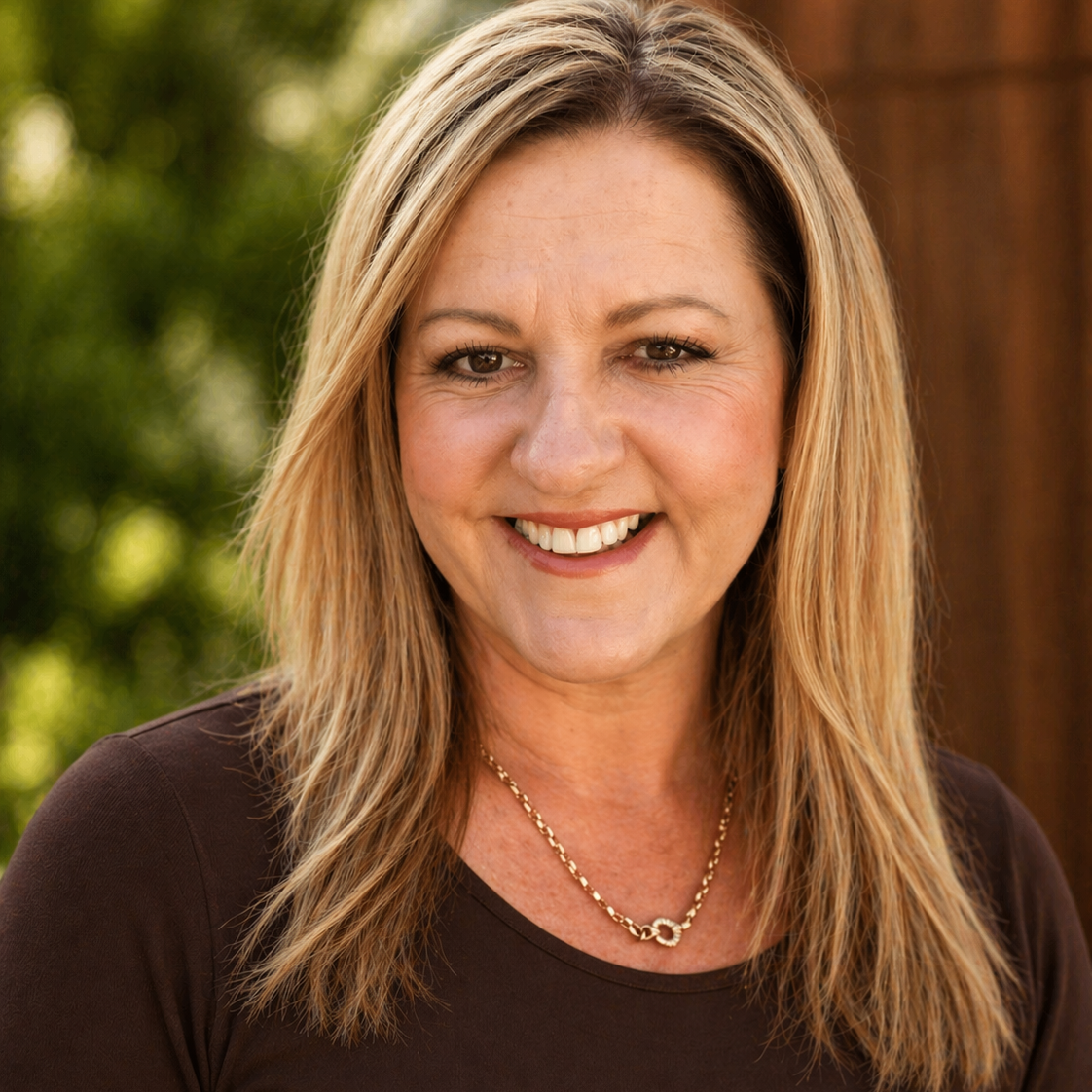
Ann-Maree Davis is a regional tourism advocate, entrepreneur and community leader based in the Loddon Valley, Victoria. She is the co-founder of Little Sangria, a Spanish-inspired mobile food and event business, and is developing Hillcrest Farm as an emerging agritourism destination. Ann-Maree serves as the Loddon representative on the Destination Greater Bendigo Loddon Board and holds an MBA, bringing strong strategic and commercial capability. With over 35 years’ experience in leadership, governance and regional development, including presenting nationally and internationally, she is passionate about helping rural communities diversify income and create sustainable visitor experiences.
Connect with Ann-Marie
Social handles: @hillcrestfarmlv for Instagram
Facebook and TikTok @hillcrestfarmloddonvalley
Presentation Summary
"This interactive toolbox talk will help farmers, landholders and regional communities explore how their farm, property or community can become part of the growing agritourism opportunity. Ann-Maree draws on real-world insights from developing Hillcrest Farm in the Loddon Valley, combined with hospitality experience through Little Sangria to deliver a hands-on workshop. Participants will work through guided table activities to generate ideas, test concepts and share insights with others connected through agriculture.
Participants will be introduced to the FARM Framework - a practical model designed to simplify agritourism planning by focusing on story, experience, regulation and market connection.
The workshop also covers critical, on-the-ground considerations such as risk, biosecurity and visitor safety to ensure concepts are practical and achievable. Attendees will leave with a clearly defined agritourism idea suited to their own context, plus tools and next steps to progress from idea to action beyond the conference.
Key Learnings:
- Participants will identify a potential agritourism opportunity specific to their own property, business or community context.
- Participants will apply a simple and practical framework to design an experience aligned to their story, resources and environment.
- Participants will gain an understanding of key considerations including risk, biosecurity and visitor safety, along with clear next steps to move from idea to action.
About Guy and Natalie
Guy Webb
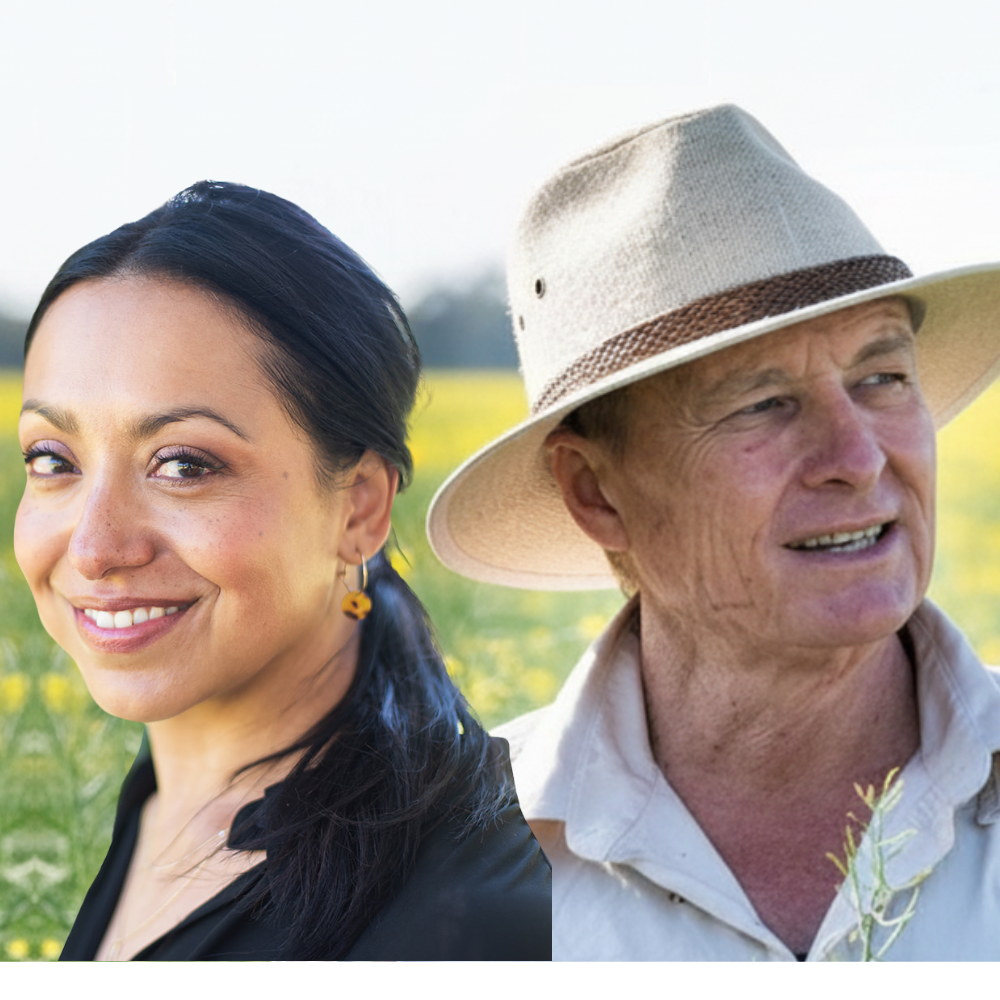
Guy Webb is Co-Founder and Chair of SoilCQuest, a not-for-profit research institute focused on advancing soil carbon sequestration at scale. An agronomist with decades of experience working alongside farmers, Guy has led pioneering work in measuring and validating soil carbon systems across Australian landscapes. SoilCQuest became a CSIRO-approved research institute in 2017 and works across science, economics and adoption to bridge the gap between research and real-world farming decisions. Guy is passionate about enabling farmers to improve soil function, strengthen business resilience, and contribute to climate solutions.
Connect with Guy:
@soilcquest Facebook, LinkedIn and Youtube
Natalie Collard
Natalie Collard is a national leader in agriculture, energy and climate policy, and an executive leadership coach. As former CEO of Farmers for Climate Action, Food & Fibre Great South Coast and Australian Dairy Farmers, Natalie specialises in translating complex policy and market opportunities into practical, farmer-relevant outcomes. Natalie brings a strong focus on the business case, systems thinking, and the role of people - particularly women - in driving meaningful change for agriculture and regional communities.
Connect with Natalie:
Facebook: @nrcollard
Linkedin: NatalieCollard
Presentation Summary
Soil carbon represents one of the most significant untapped opportunities in Australian agriculture - yet farmer participation remains far below potential. This session brings together science, economics and lived experience to unpack how soil carbon can deliver both immediate farm business benefits and long-term climate impact. Drawing on national farmer data and real-world insights, we explore why farmers are already prioritising soil health, what’s holding them back from engaging in carbon markets, and how those barriers can be overcome.
Importantly, this is not a theoretical discussion. Delegates will gain a clear understanding of:
- the role of soil carbon in productivity, resilience and climate outcomes
- how carbon projects can function as a second income stream alongside agricultural production
- the practical decision-making steps required to assess whether a soil carbon project is right for their business
Underpinning the session is recognition of the critical role rural women play in shaping long-term farm decisions. Women are often central to financial oversight, risk management, and intergenerational planning-and are uniquely positioned to influence adoption of practices that deliver both profitability and legacy outcomes.
This session will provide practical tools, frameworks and confidence for women to engage in - and lead - these decisions within their businesses and communities.
Key Learnings:
- Understand how soil carbon underpins productivity, resilience and potential new income streams (ACCU markets).
- A practical decision-making framework to evaluate whether a project suits your farm business.
- How rural women influence long-term farm strategy - and how to confidently lead these conversations in a soil carbon context.